
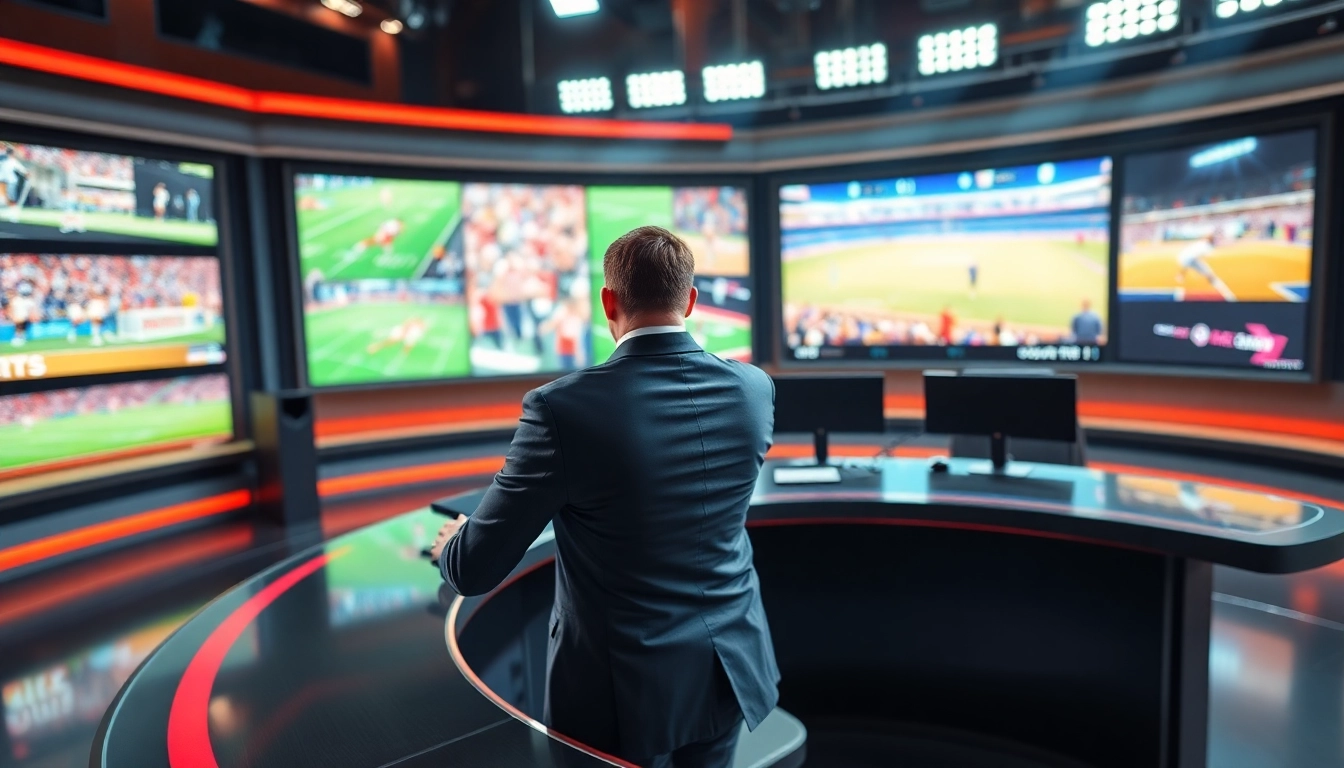
Understanding Sports Broadcasting
Definition and Importance of Sports Broadcasting
Sports broadcasting involves the transmission of live sporting events, news, and related content through various media formats. This practice plays a crucial role in not just keeping fans engaged with their favorite sports, but also in growing the sports industry itself. It connects teams and fans, amplifying the excitement surrounding games and competitions. Furthermore, it generates revenue for leagues, teams, and broadcasters, making it an essential part of the sports ecosystem. In this digital age, understanding the complexities of Sports Broadcasting is imperative for those involved in media and entertainment.
The Evolution of Sports Broadcasting
The journey of sports broadcasting began in the early 20th century with radio transmissions. This initial stage set the groundwork for dramatic shifts that would occur over the decades. Television took center stage in the mid-20th century, bringing live sports directly into people's homes and providing an unprecedented viewing experience. The advent of cable networks in the 1980s brought about dedicated sports channels, increasing access to a variety of sports. Today, we are witnessing another significant transformation as streaming platforms dominate the landscape, allowing viewers to enjoy sports on-demand.
Key Players in Sports Broadcasting
In the world of sports broadcasting, several key players contribute to the dynamic nature of the industry. Broadcasters, leagues, teams, advertisers, and production companies all play pivotal roles. Broadcasters like major networks and streaming services serve as intermediaries, delivering content to viewers. Leagues and teams negotiate broadcasting rights, ensuring visibility and reach. Advertisers capitalize on the massive audiences that sports attract, while production companies enhance the quality of broadcasts with innovative technology and storytelling techniques.
Technology in Sports Broadcasting
Role of Streaming Services in Sports Broadcasting
Streaming services have revolutionized sports broadcasting, providing flexible viewing options and changing the conventions of live sports consumption. With the rise of platforms like ESPN+, DAZN, and others, fans can access games from various sports leagues worldwide without traditional cable packages. These services offer on-demand viewing, allowing fans to watch delayed broadcasts or replays of events. Moreover, they often include features like multiple camera angles, stats overlays, and social interaction, enhancing viewer engagement beyond traditional broadcast experiences.
Latest Innovations in Equipment
As technology advances, so too does the equipment used in sports broadcasting. Innovations like 4K UHD cameras, drone technology, and high-fidelity audio systems have significantly improved the quality of broadcasts. Additionally, virtual and augmented reality tools are being integrated to provide immersive experiences for viewers. This technology not only enhances the viewing experience but also offers unique storytelling opportunities, giving fans insights they wouldn’t otherwise have access to.
Impact of Social Media on Sports Broadcasting
Social media has transformed the way sports broadcasts are shared and consumed. Platforms like Twitter, Instagram, and TikTok allow fans to engage with content in real-time, creating a more interactive viewing experience. Broadcasters leverage these platforms to enhance their reach, offering clips, highlights, and behind-the-scenes content that engage users. Additionally, social media provides a space for live commentary and discussions, contributing to a vibrant online sports community.
Content Creation for Sports Broadcasting
Crafting Engaging Commentary
Commentary is a critical component of sports broadcasting, influencing the viewing experience. Engaging commentary not only provides information about the game but also enhances the drama and excitement surrounding it. Broadcasters must develop a unique style and deeply understand the sports they cover to resonate with their audience. Successful commentators balance facts, statistics, and storytelling to keep viewers hooked throughout the event.
Working with Producers and Editors
Collaboration is essential in sports broadcasting, and effective communication with producers and editors ensures a polished final product. Producers orchestrate the broadcast, making real-time decisions on camera angles, graphics, and timing. Editors play a crucial role after the event, stitching together highlights for recap shows and analyses. Both roles require a shared vision for the broadcast's tone and content, enabling a seamless viewing experience for audiences.
Understanding Audience Preferences
A deep understanding of audience preferences is vital for successful sports broadcasting. Broadcasters must analyze viewer data to discern patterns in what content resonates most. Factors such as demographic data, viewing habits, and social media engagement play a role in shaping programming decisions. Tailoring content to meet audience expectations can enhance viewer loyalty and attract new fans.
Challenges in Sports Broadcasting
Navigating Live Event Coverage
Live event coverage poses unique challenges for broadcasters, from unforeseen technical difficulties to the need for quick reporting on breaking news. Broadcast teams must prepare for every scenario, ensuring that backup systems are in place and that team members are trained to handle crises. A well-prepared crew can adapt swiftly to scenarios, ensuring that audiences receive uninterrupted coverage.
Handling Controversies and Issues
Controversy can strike at any moment in sports, and how broadcasters manage it can have a lasting impact on their reputation. They must navigate sensitive topics while providing the necessary context to inform their audience. Balancing journalistic integrity with audience expectations often requires tact and skill. Engaging experts for opinions can also lend credibility to broadcasts during such critical moments.
Regulatory and Licensing Challenges
Sports broadcasting is subject to various regulations and licensing challenges that can complicate operations. Licensing agreements determine how and where content can be broadcast, often involving complex negotiations. Broadcasters must stay informed about changing regulations, such as those regarding copyright laws and broadcasting rights to ensure compliance and avoid legal pitfalls.
Future Trends in Sports Broadcasting
The Rise of Virtual Reality Experiences
Virtual reality (VR) is poised to redefine how fans experience sports broadcasts. With immersive VR experiences, viewers can feel as though they are part of the action, allowing for unprecedented engagement levels. This technology enables fans to explore the stadium or arena from their homes, choose camera angles, and even interact with other virtual spectators. As VR technology becomes more accessible, its adoption in sports broadcasting will likely grow.
Changes in Viewer Engagement Strategies
Viewer engagement strategies are evolving as broadcasters strive to capture the attention of increasingly diverse audiences. Incorporating interactive elements, such as polls and real-time stats, into broadcasts can enhance the viewer experience. Leveraging gamification—such as fantasy sports integration or betting options—will create more dynamic viewing experiences that blend entertainment and participation.
Predictions for the Next Decade in Broadcasting
Looking ahead, we can expect significant advancements in sports broadcasting technology and methodologies. Enhanced personalization through AI-driven recommendations will allow for tailored viewing experiences, making it easier for fans to connect with content they love. Seamless integration of various media—such as gamified broadcasts or social media interactions—will further transform how sports are consumed, ensuring that the future of sports broadcasting remains as vibrant as the games themselves.
Frequently Asked Questions About Sports Broadcasting
What is sports broadcasting?
Sports broadcasting refers to the telecasting of live sporting events and related content via television, radio, or online platforms. It is important for fan engagement and revenue generation.
How has technology impacted sports broadcasting?
Technology has revolutionized sports broadcasting through streaming services, improved equipment, and innovative viewing experiences, making sports more accessible to audiences worldwide.
What role does social media play in sports broadcasting?
Social media enhances viewer engagement by allowing real-time interaction, sharing highlights, and connecting fans with content, making broadcasts more dynamic and participatory.
What challenges do sports broadcasters face?
Challenges include managing live coverage, addressing controversies, and navigating regulatory and licensing requirements that can complicate operations in sports broadcasting.
What are future trends in sports broadcasting?
Future trends include the rise of virtual reality experiences, personalized content through AI, and innovative viewer engagement strategies to enhance the overall experience.